
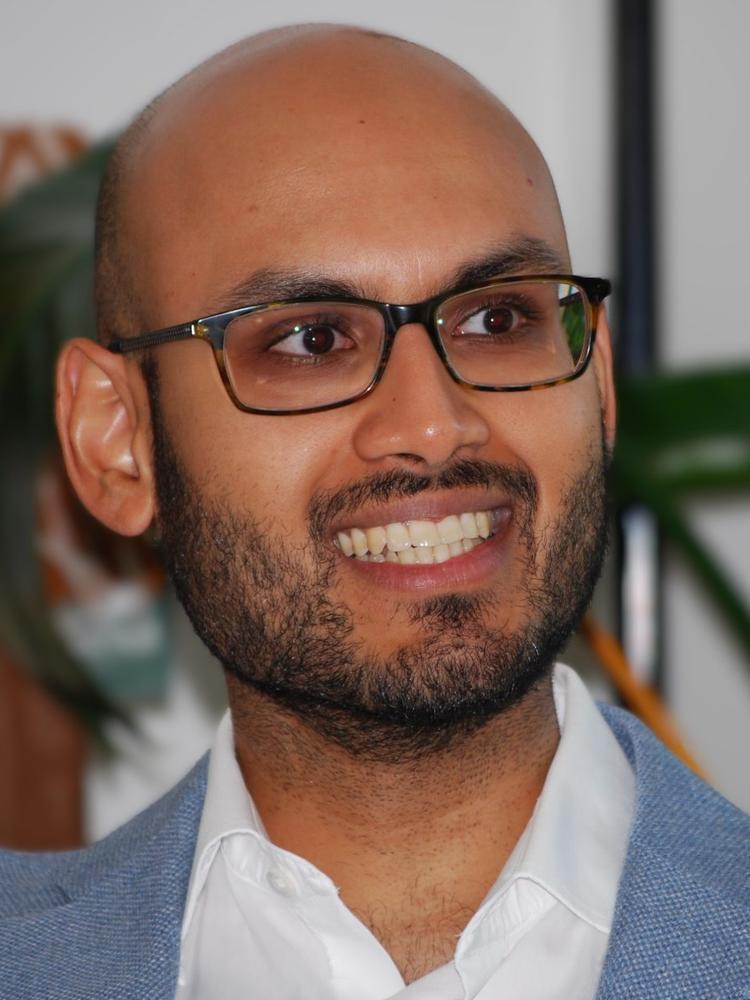
Karthik Sastry is an Assistant Professor of Economics and Public Affairs at Princeton University. He studies macroeconomics. One strand of his research focuses on how technology diffuses globally and, in particular, how the geographic concentration of innovation affects the pace and direction of technological progress. In other work, he studies how societies adapt to climate change through policy changes and technological innovation and how bounded rationality and social dynamics shape economic fluctuations.

Akash Kapur is a Visiting Fellow at Princeton and a Senior Fellow at New America and The GovLab. He holds a DPhil in Law from Oxford (focused on technology policy), has taught on DPI and other topics at Princeton, and is a former New York Times columnist. He has also written on technology and other topics for The Economist, the Atlantic, The New Yorker, Foreign Policy and other publications. He is the author of two books and is at work on a biography of the Internet.
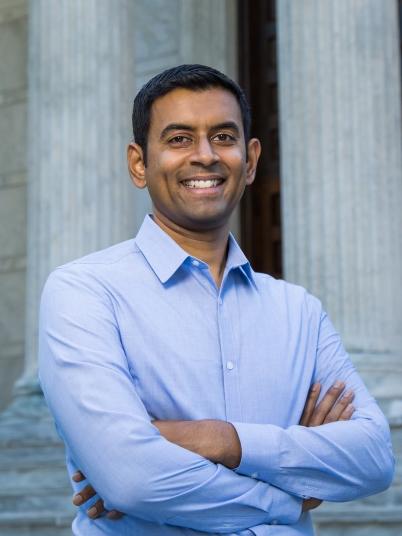
Arvind Narayanan is professor of Computer Science at Princeton University, and head of the Center for Information Technology Policy (CITP), at Princeton. He is the co-author (with Sayash Kapoor) of AI Snake Oil and a Substack titled AI as Normal Technology.

Samhitha Josyula is a Senior Research Specialist (Pre-Doctoral Fellow) at Princeton’s International Economics Section. Her research interests center on how information and technology shape access to public services and economic opportunity. She received a B.A. in Global Affairs and certificate in Computer Science from Yale University in 2023, where she researched with the Atlantic Council’s Strategic Litigation Project, supported by the 1960 Les Aspin Fellowship, and the MacMillan Center’s Mass Atrocities in the Digital Era Initiative, with which she published work in Genocide Studies and Prevention. After graduating, Samhitha was a Business Analyst at McKinsey & Company where she advised clients across technology, healthcare, banking, and education sectors, gaining first-hand insight into the challenges that public and private sector entities face in an evolving digital economy.
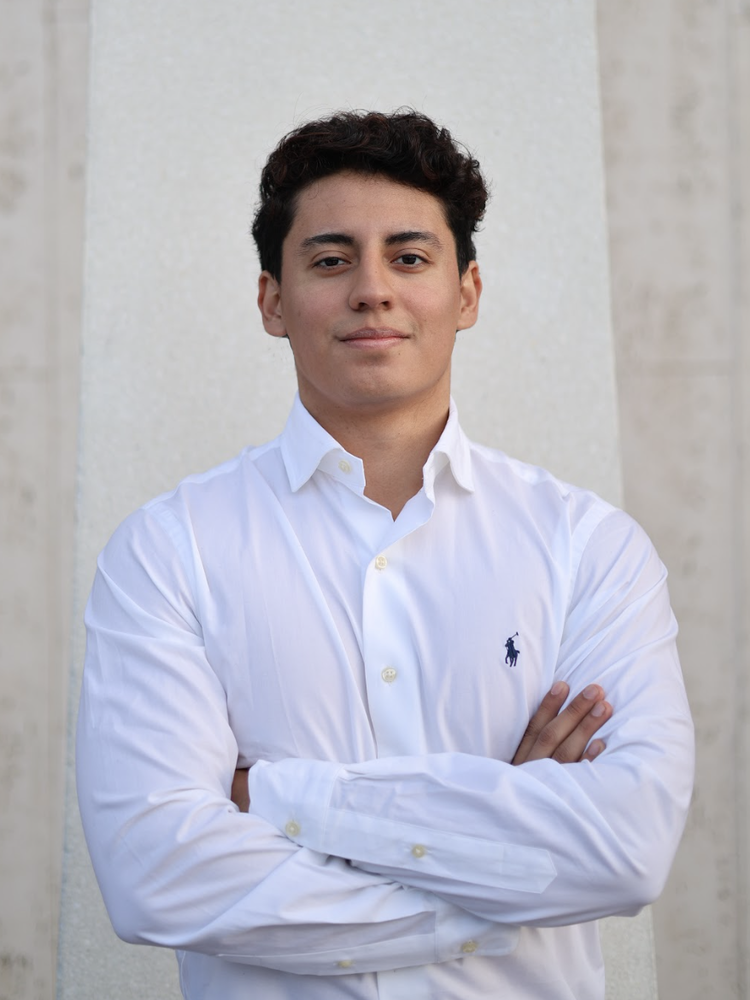
Miguel Piñero-Jacome is an undergraduate studying Computer Science at Princeton University with minors in Computing, Society & Policy and Statistics & Machine Learning. His studies focus on AI for the public-interest with an emphasis on technical governance. He currently serves as the Technical Director of Envision, Princeton University’s student-run AI policy conference. He has explored AI's role in education through research in adaptive piano learning and AI governance in higher education. He has also contributed to website development and database management initiatives serving Boston-area communities and vocational high schools.
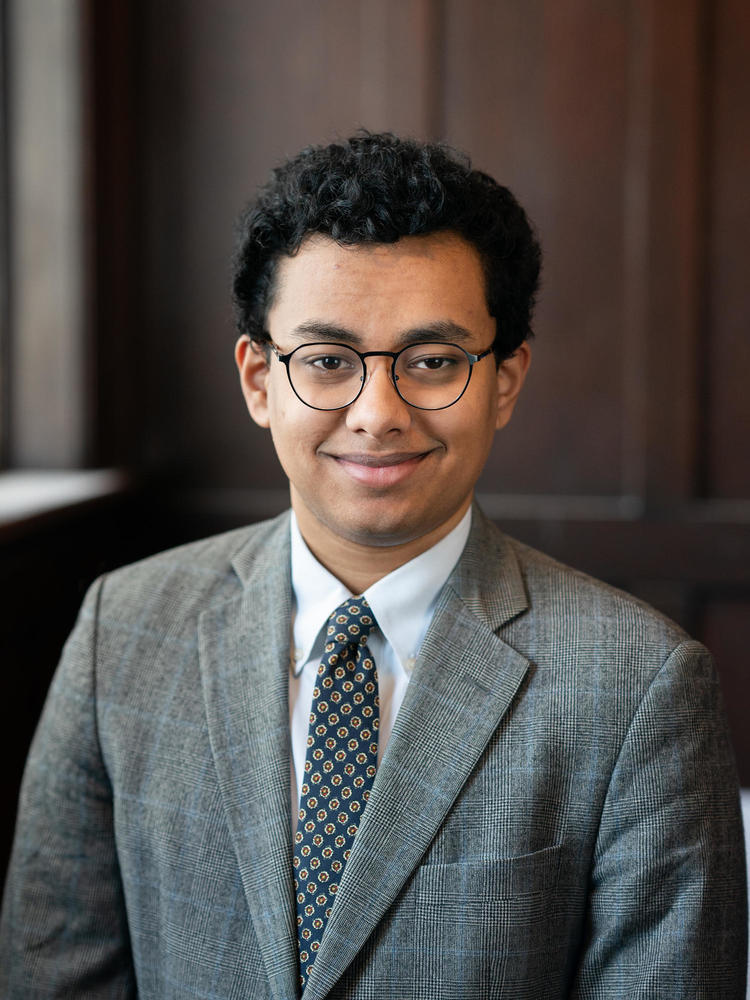
Sujay Swain is a Scholars in the Nation’s Service Initiative (SINSI) Graduate Fellow in Princeton University's Masters in Public Affairs program. He studied Electrical and Computer Engineering at Princeton University where his research spanned both tech policy and electrical engineering. He has previously worked in the Federal Trade Commission’s Division of Privacy and Identity Protection as a 2024 Siegel Public Interest Technology Summer Fellow, focusing on consumer privacy, information security, and enforcement related to the FCRA and COPPA. He has also held roles as an electrical engineering intern at Gentex Corporation and a research intern at the Max Planck Institute for Quantum Optics, with experience in optics, optical simulation, and quantum systems.